

Machu Picchu Elevation – Machu Picchu Altitude Sickness
Learn about the real altitude of Machu Picchu and how it affects your trip. You’ll find helpful facts, useful advice, and all the information you need to know.
Machu Picchu Elevation
Are you planning a visit to Machu Picchu? It’s one of the most famous tourist destinations in Peru, renowned for its breathtaking views and profound cultural significance. However, like any high-altitude place, it’s essential to be well-prepared.

In this guide, we’ll cover some common questions about Machu Picchu’s elevation and offer tips to help you get ready for your visit. If you want more information about what is the best time to visit machu picchu just click here.
Machu Picchu
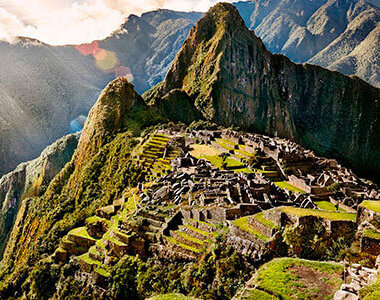
Machu Picchu is situated about 50 miles (80 km) northwest of Cusco, Peru, in the Cordillera de Vilcabamba range of the Andes Mountains. After the fall of the Inca Empire, Machu Picchu was forgotten and remained hidden for over 400 years. It wasn’t found during the Spanish rule and survived many earthquakes in the area. It wasn’t until a local farmer discovered it around 1904 and explorer Hiram Bingham rediscovered it in 1911 that Machu Picchu became known to the world.
Visiting Machu Picchu is extremely popular, with over 6,500 visitors entering the archaeological site daily, making it one of the most visited locations in the world.
Machu Picchu Altitude Sickness
Take it easy! Machu Picchu is not at a higher altitude than Cusco. Is one of the best places to help avoid altitude sickness, along with the Sacred Valley.
Machu Picchu sits at an elevation of 7,972 feet (2,430 meters) above sea level, which is lower than Cusco. This means the risk of altitude sickness is lower, so you should be okay.
Can you get altitude sickness in Machu Picchu?
No, not really. There’s much confusion out there, but the facts are different. While Machu Picchu is on top of a mountain, it’s actually at a lower elevation than Cusco. Therefore, the chance of getting altitude sickness is much lower when visiting Cusco compared to other locations.
Please don’t mix it up. The Inca citadel of Machu Picchu is not the same as Machu Picchu Mountain or Wayna Picchu Mountain. These are all different places, each with its own elevation and altitude challenges.
Is Cusco at a higher altitude than Machu Picchu?
Yes, Cusco is higher. The city sits at an elevation of around 3,399 meters (11,152 feet), which is higher than Machu Picchu, located at 2,430 meters (7,972 feet). That’s why it’s often recommended to acclimate in Cusco or the Sacred Valley before visiting Machu Picchu. Staying in places like Ollantaytambo or Urubamba, which are at a lower altitude, can help you adjust more easily.
Machu Picchu Mountain Altitude
Another option is to hike up Machu Picchu Mountain instead of Huayna Picchu. The summit of Machu Picchu Mountain stands at 3,082 meters (10,111 feet) above sea level. This is higher than the Inca citadel, so if you go up there, you might experience altitude effects similar to being in Cusco. If you’re looking for added adventure, we suggest spending at least a day in Cusco before visiting Machu Picchu to reduce your chance of altitude sickness.

Huayna Picchu Mountain Altitude
Huayna Picchu is another popular climb in the area. Its peak is at 2,693 meters (8,835 feet), which is about 260 meters (850 feet) higher than the Machu Picchu citadel. It’s a physically demanding climb, but it’s considered one of the best things to do in Machu Picchu.
Cusco Elevation
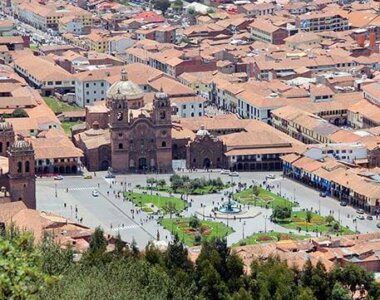
Cusco is situated in the Peruvian Andes and is located at an elevation of 3,399 meters above sea level, which is higher than Machu Picchu.
Will I get altitude sickness in Cusco?
Cusco is located at an altitude of around 3,400 meters, and it’s common for tourists to experience some mild symptoms of altitude sickness, often referred to as “soroche” in the local community.
How long do you need to acclimatize in Cusco?
The time needed to acclimatize in Cusco can vary from person to person, depending on their physical condition. Located at 3,399 meters above sea level, Cusco can cause altitude sickness in some individuals. Experts recommend spending at least 48 to 72 hours in Cusco to adjust before engaging in activities that require more physical effort.
During this period, it’s essential to stay well-hydrated, avoid alcohol, and eat light meals. If you experience symptoms such as headache, nausea, dizziness, or shortness of breath, rest and consider seeking medical attention if the symptoms persist.
It’s also a good idea to consult a healthcare provider before traveling to high-altitude areas if you have any pre-existing medical conditions or if you aren’t confident about your body’s ability to adjust to high altitudes.
Is it hard to breathe in Cusco?
Because Cusco is located at an altitude of 3,399 meters, some people may find it harder to breathe, especially those not accustomed to such high altitudes. The air at higher altitudes contains less oxygen, which can lead to symptoms such as shortness of breath, headaches, dizziness, and nausea.
Do you need oxygen in Cusco?
Most visitors to Cusco do not require oxygen, but some people may find it helpful if they experience symptoms of altitude sickness. Oxygen can be obtained from local pharmacies and medical clinics in Cusco.
However, it’s important to note that using oxygen does not treat the underlying cause of altitude sickness, which is the reduced oxygen levels at high altitudes. It can help ease symptoms temporarily, but the best way to deal with altitude sickness is to descend to a lower altitude and allow the body time to adjust to the thinner air.
If you experience severe symptoms of altitude sickness, such as extreme shortness of breath, confusion, or loss of consciousness, seek medical attention immediately.
How do you deal with the altitude in Cusco?
- The high altitude in Cusco can be challenging for some visitors, but there are several steps you can take to manage it and lower the risk of altitude sickness:
- Acclimatize gradually: Spend a few days in Cusco to let your body adjust to the high altitude before engaging in any strenuous activities
- Drink plenty of water: Staying hydrated is essential for reducing the risk of altitude sickness. Aim for at least 2-3 liters of water per day.
- Eat light meals: Avoid heavy meals that may make you feel sluggish and affect your ability to breathe. Instead, eat small, frequent meals that are rich in carbohydrates and low in fat.
- Avoid alcohol and caffeine: Both can lead to dehydration and make it more difficult for your body to adapt to the high altitude.
- Take it easy: For the first few days in Cusco, avoid strenuous physical activities. Rest as much as possible and limit overexertion. This approach will make a big difference.
Inca Trail Elevation
Inca Trail is a popular hiking route in Peru that leads to the historic Inca ruins of Machu Picchu. The highest point along the classic Inca Trail is the Warmiwañusca Pass, also known as Dead Woman’s Pass, which stands at an elevation of 4,215 meters (13,828 feet) above sea level.
The trail begins in Cusco, which is at an elevation of approximately 3,400 meters (11,150 feet) above sea level.
Hikers on the Inca Trail will encounter a range of elevations, featuring steep climbs and descents throughout the journey. Proper acclimatization is crucial, and it’s essential to take precautions to avoid altitude sickness. This includes staying well-hydrated, eating light meals, and moving at a comfortable pace to allow the body to adjust to the altitude.
Sacred Valley Elevation
The Sacred Valley is situated at an elevation of approximately 9,000 feet. It is slightly lower than Cusco, which is at an elevation of roughly 3,399 meters (11,152 feet). The Sacred Valley is an ideal place to begin the acclimatization process before heading to higher altitudes, such as Cusco or Machu Picchu.
What is the highest point of the Sacred Valley?
The highest points in the Sacred Valley of the Incas are Chinchero (3,725 meters / 12,221 feet) and Pisac (2,972 meters / 9,751 feet).
What is the lowest altitude in the Sacred Valley?
The lowest point in the Sacred Valley is Urubamba, a town situated at an elevation of approximately 2,870 meters (9,420 feet) above sea level.
The Sacred Valley is indeed lower in elevation than Cusco. This difference can be beneficial for travelers who want to gradually adjust to the high altitude before exploring higher places in the Andes. Many visitors decide to spend a few days in the Sacred Valley before traveling to Cusco, which helps reduce the risk of altitude sickness and makes the trip more comfortable.